
Buying Guide
The Best Long-Lasting Thermal Paste
Five thermal pastes ranked on tube size and rated service life, where the MX-4 has the longest rated service life; the GC5 is the cheapest route in.
By Alex Morgan, PC Hardware Editor
12 min read5 products evaluated
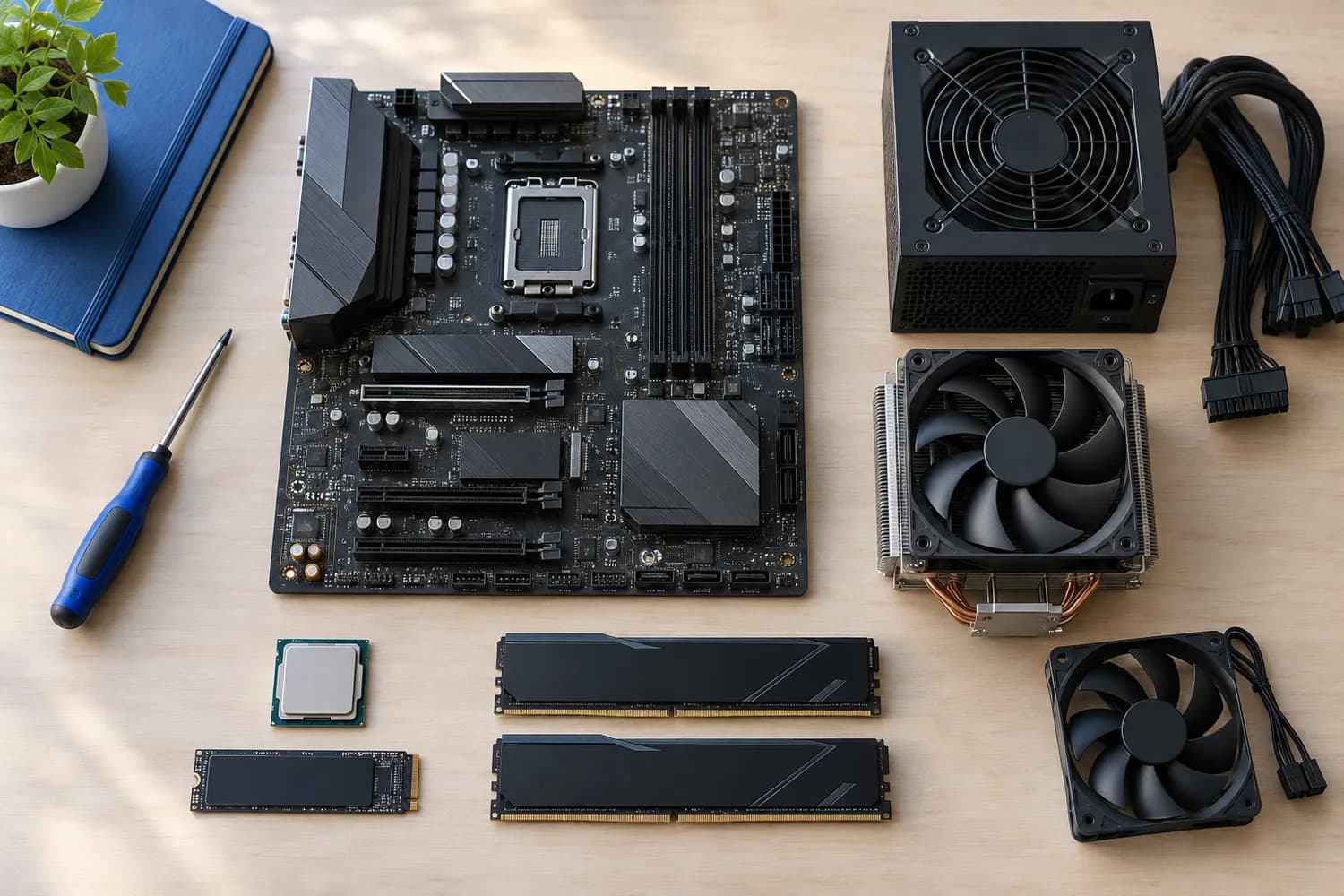
Pastes that resist pump-out and drying keep temperatures steady for years. Every pick states a service life or resistance to pump-out, drying or hardening, ordered by rated life.
We ranked these thermal pastes on amount, rated service life and compound using manufacturer specifications; where a maker leaves out rated service life, we say so rather than guess, since we have not benched them.
Quick Picks
Which of the 5 picks to look at first. Tap a name for the full analysis.

Longest Rated Service Life
ARCTIC MX-4 (4g)The longest rated service life here (up to 8 years).
Best for: Buyers who put rated service life first.
Check price for ARCTIC MX-4 (4g) on Amazon (opens in a new tab)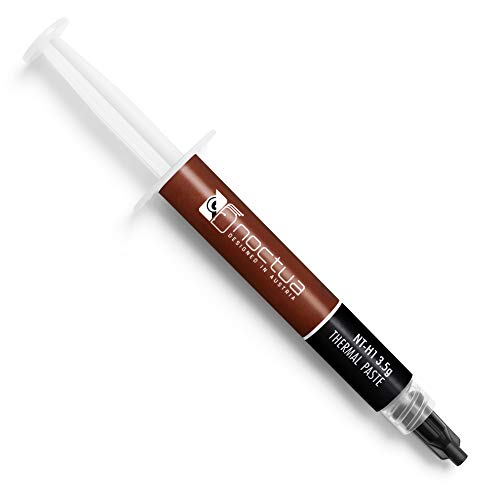
Also Consider
Noctua NT-H1 (3.5g)Cleanup with a dry paper towel, no alcohol needed.
Best for: Buyers who want cleanup with a dry paper towel, no alcohol needed.
Check price for Noctua NT-H1 (3.5g) on Amazon (opens in a new tab)
Premium Pick
Noctua NT-H1 SW Edition (3.5g)A rated usage time of up to five years on a CPU or GPU at the highest price in the group.
Best for: Buyers for whom price is not the deciding factor, since the GC5 costs less.
Check price for Noctua NT-H1 SW Edition (3.5g) on Amazon (opens in a new tab)
Lowest Price Here
Gelid Solutions GC5 (3.5g)A lower price than the MX-4 and the rest when we checked.
Best for: Getting resistance to pump-out and drying under sustained load for the least money.
Check price for Gelid Solutions GC5 (3.5g) on Amazon (opens in a new tab)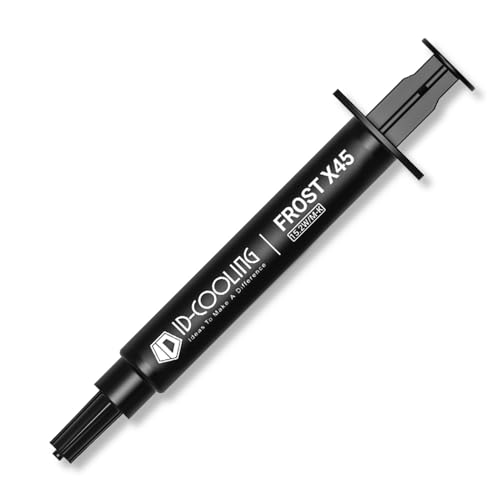
Strong Alternative
ID-COOLING Frost X45 (4g)A metal-free formula.
Best for: Buyers who want metal-free formula.
Check price for ID-COOLING Frost X45 (4g) on Amazon (opens in a new tab)
| Pick | Why it stands out | Best for | Check price |
|---|---|---|---|
| The longest rated service life here (up to 8 years). | Buyers who put rated service life first. | Check price for ARCTIC MX-4 (4g) on Amazon (opens in a new tab) |
| Cleanup with a dry paper towel, no alcohol needed. | Buyers who want cleanup with a dry paper towel, no alcohol needed. | Check price for Noctua NT-H1 (3.5g) on Amazon (opens in a new tab) |
| A rated usage time of up to five years on a CPU or GPU at the highest price in the group. | Buyers for whom price is not the deciding factor, since the GC5 costs less. | Check price for Noctua NT-H1 SW Edition (3.5g) on Amazon (opens in a new tab) |
| A lower price than the MX-4 and the rest when we checked. | Getting resistance to pump-out and drying under sustained load for the least money. | Check price for Gelid Solutions GC5 (3.5g) on Amazon (opens in a new tab) |
| A metal-free formula. | Buyers who want metal-free formula. | Check price for ID-COOLING Frost X45 (4g) on Amazon (opens in a new tab) |
Our Picks
Longest Rated Service Life1 of 5
ARCTIC MX-4 (4g)
MX-4 is the long-running default for good reason: a carbon-based, non-conductive paste that ARCTIC says lasts at least eight years once applied.
Best for
- Buyers who put rated service life first.
Skip if
- If budget leads, the GC5 was cheaper at our last price check.
Why we like it
It forgives a clumsy first application, and 4g covers several builds. On tube size it ties with the Frost X45 at 4g. On rated service life it leads this guide at up to 8 years, ahead of the NT-H1 (up to 5 years).
It also comes with a consistency ARCTIC pitches at first-time builders. Clean off old paste with isopropyl alcohol first, then apply a pea-sized dot or a thin line on the heatspreader; on large Intel chips an X or a line covers the longer die better. It was priced above the GC5 and below the Frost X45 at the time of writing.
Key specs
- Amount
- 4g
- Rated service life
- up to 8 years
- Compound
- Carbon microparticle
- Electrically non-conductive
- Yes
Pros
- 4g is enough for several applications
- Maker-rated for up to 8 years without reapplying
- Carbon microparticle formula
- Electrically non-conductive, so spills are harmless
Cons
- Costs more than the GC5 at the time of writing
Also Consider2 of 5
Noctua NT-H1 (3.5g)
NT-H1 needs no spreading and wipes off with a dry paper towel, which makes it one of the least fussy pastes to work with.
Best for
- Buyers who want cleanup with a dry paper towel, no alcohol needed.
Skip if
- Skip it if price comes first: the GC5 cost less when we checked.
Why we like it
Noctua rates it for up to five years on a CPU and about 15 applications on AM4 or LGA1700. It matches the NT-H1 SW and the GC5 on tube size (3.5g). It matches the NT-H1 SW on rated service life (up to 5 years).
It also comes with a recommended storage time of up to three years. Clean off old paste with isopropyl alcohol first, then apply a pea-sized dot or a thin line on the heatspreader; on large Intel chips an X or a line covers the longer die better. Do not pre-spread it; let the cooler's mounting pressure distribute it. On price it sat fourth of 5, between the cheaper Frost X45 and the pricier NT-H1 SW, at the time of writing.
Key specs
- Amount
- 3.5g
- Rated service life
- up to 5 years
- Applications per tube
- About 3 to 20
- Application
- No need to spread before mounting
Pros
- Maker-rated for up to 5 years without reapplying
- Cleanup with a dry paper towel, no alcohol needed
- Recommended storage time of up to three years
Cons
- Costs more than the GC5 at the time of writing
Premium Pick3 of 5
Noctua NT-H1 SW Edition (3.5g)
The SW Edition adds a spatula and three cleaning wipes to NT-H1, so it covers a full repaste from cleanup to spreading.
Best for
- Buyers for whom price is not the deciding factor, since the GC5 costs less.
Skip if
- Skip it if rated service life matters most to you; the MX-4 offers up to 8 years.
Why we like it
Noctua rates it for up to five years on a CPU or GPU. On tube size it ties with the NT-H1 and the GC5 at 3.5g. On rated service life it ties with the NT-H1 at up to 5 years.
It also offers a rated usage time of up to five years on a CPU or GPU and wipes that remove old paste without a separate cleaner. Clean off old paste with isopropyl alcohol first, then apply a pea-sized dot or a thin line on the heatspreader; on large Intel chips an X or a line covers the longer die better. At our last price check it topped the group, with the NT-H1 the nearest cheaper option.
Key specs
- Amount
- 3.5g
- Rated service life
- up to 5 years
- Applications per tube
- About 3 to 20
- In the box
- a spatula and three cleaning wipes
Pros
- Maker-rated for up to 5 years without reapplying
- Includes a spatula and three cleaning wipes
- Rated usage time of up to five years on a CPU or GPU
- Wipes that remove old paste without a separate cleaner
Cons
- Rated service life trails the MX-4 (up to 8 years)
- Costs more than the GC5 at the time of writing
The catch
Rated service life is its weakest area, and the MX-4 covers it better at up to 8 years.
Lowest Price Here4 of 5
Gelid Solutions GC5 (3.5g)
GC5 is Gelid's newest paste, a nano diamond-ceramic formula built to resist pump-out and drying under sustained load.
Best for
- Getting resistance to pump-out and drying under sustained load for the least money.
Skip if
- Skip it if tube size matters most to you; the MX-4 offers 4g.
Why we like it
It is non-conductive, non-curing and one of the cheapest 3.5g tubes here. It suits CPUs, GPUs, consoles and laptops. On tube size it ties with the NT-H1 and the NT-H1 SW at 3.5g.
Clean off old paste with isopropyl alcohol first, then apply a pea-sized dot or a thin line on the heatspreader; on large Intel chips an X or a line covers the longer die better. It cost the least of the 5 picks at the time of writing, with the MX-4 the next step up. It gives ground on tube size, where the MX-4 comes in at 4g.
Key specs
- Amount
- 3.5g
- Compound
- Nano diamond-ceramic
- Electrically non-conductive
- Yes
Pros
- Nano diamond-ceramic formula
- Electrically non-conductive, so spills are harmless
- Resistance to pump-out and drying under sustained load
- Non-curing, non-corrosive formula
Cons
- Tube size trails the MX-4 (4g)
- No published rated service life
Strong Alternative5 of 5
ID-COOLING Frost X45 (4g)
Frost X45 is a metal-free, non-conductive paste rated at 15.2 W/mK by ID-COOLING.
Best for
- Buyers who want metal-free formula.
Skip if
- The maker gives no rated service life, so skip it if that figure decides your choice.
Why we like it
The 4g tube costs little and the maker says it resists drying, cracking and separation. It is metal-free and non-conductive, so overflow onto nearby parts is harmless. The 4g tube covers several builds.
Clean off old paste with isopropyl alcohol first, then apply a pea-sized dot or a thin line on the heatspreader; on large Intel chips an X or a line covers the longer die better. Its price falls between the MX-4 and the NT-H1, based on our last check. Buyers who need a confirmed rated service life should compare it with the MX-4, which offers up to 8 years.
Key specs
- Amount
- 4g
- Conductivity
- 15.2 W/mK (maker's figure)
- Electrically non-conductive
- Yes
Pros
- 4g is enough for several applications
- Maker-rated 15.2 W/mK conductivity
- Electrically non-conductive, so spills are harmless
- Metal-free formula
Cons
- No published rated service life
- Costs more than the GC5 at the time of writing
How We Chose
Alex Morgan compared the manufacturer specifications, connectivity, warranty terms and compatibility of every pick. Figures come from the makers unless a third-party source is named; we did not test these products ourselves.
- How these picks were ranked
- We set side by side five pastes on tube size, rated service life, compound and applications per tube, using each maker's published specs. We did not test them in-house, and rated service life and compound are missing for at least one pick.
- What every pick has in common
- All 5, from the MX-4 to the Frost X45, state tube size.
- Where the specs have gaps
- The GC5 and the Frost X45 give no rated service life; the NT-H1, the NT-H1 SW and the Frost X45 give no compound.
- Price range
- From the GC5 to the NT-H1 SW, all sat in the under $50 tier when we checked.
What to Look for in a Long-Lasting Thermal Paste
Key buying criteria so you get the right fit the first time.
Tube size across these picks
Across these 5 picks tube size spans 3.5g (the GC5) to 4g (the MX-4). Start with the MX-4 if tube size decides it.
How much rated service life you need
The MX-4 tops rated service life at up to 8 years and the NT-H1 SW sits lowest at up to 5 years. If rated service life is your first filter, the MX-4 sets the ceiling at up to 8 years. The GC5 and the Frost X45 give no rated service life figure, so 3 of 5 picks are compared here.
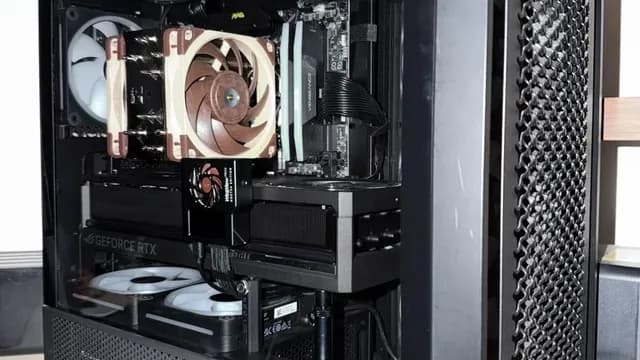
A tower air cooler with brown fans installed in a PC Extras that separate them
The NT-H1 SW: wipes that remove old paste without a separate cleaner. The GC5: a non-curing, non-corrosive formula. The Frost X45: resistance to drying, cracking and separation.
Where your budget lands
All 5 sat in the under $50 tier when we checked, from the GC5 at the low end to the NT-H1 SW at the top, so decide on features first.
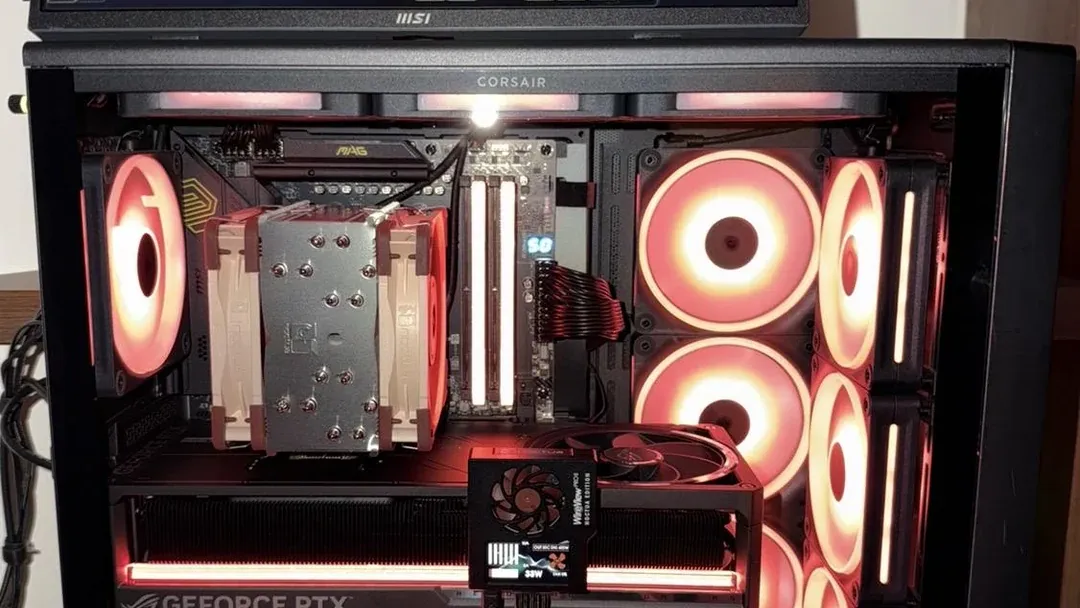
A tower air cooler in a case with red-lit fans Start from what matters most
Buyers who put rated service life first: the MX-4. Buyers for whom price is not the deciding factor, since the GC5 costs less: the NT-H1 SW. Getting resistance to pump-out and drying under sustained load for the least money: the GC5.
How to Choose a Long-Lasting Thermal Paste
By priority
| Priority | Consider | Why |
|---|---|---|
| Buyers who put rated service life first | MX-4 | The longest rated service life here (up to 8 years) |
| Buyers who want cleanup with a dry paper towel, no alcohol needed | NT-H1 | Cleanup with a dry paper towel, no alcohol needed |
| Buyers for whom price is not the deciding factor, since the GC5 costs less | NT-H1 SW | A rated usage time of up to five years on a CPU or GPU at the highest price in the group |
| Getting resistance to pump-out and drying under sustained load for the least money | GC5 | A lower price than the MX-4 and the rest when we checked |
| Buyers who want metal-free formula | Frost X45 | A metal-free formula |
Scroll sideways to see every column.

Key specs side by side
The MX-4 leads on tube size at 4g, ahead of the Frost X45 at 4g. "Not listed" marks rated service life where the GC5 and the Frost X45 leave the figure out.
| Paste | Amount | Rated service life | Compound | Applications per tube |
|---|---|---|---|---|
| MX-4 | 4g | up to 8 years | Carbon microparticle | Not listed |
| NT-H1 | 3.5g | up to 5 years | Not listed | About 3 to 20 |
| NT-H1 SW | 3.5g | up to 5 years | Not listed | About 3 to 20 |
| GC5 | 3.5g | Not listed | Nano diamond-ceramic | Not listed |
| Frost X45 | 4g | Not listed | Not listed | Not listed |
Scroll sideways to see every column.
Frequently Asked Questions
Is the MX-4 ahead of the NT-H1 on rated service life?
The MX-4 tops rated service life at up to 8 years; the NT-H1 follows at up to 5 years, 60% apart. The GC5 and the Frost X45 don't state a rated service life figure, so they sit outside this comparison; 3 of 5 picks are ranked.
Why is the MX-4 our Longest Rated Service Life pick?
The label rests on the longest rated service life here (up to 8 years). On rated service life it leads the NT-H1, up to 8 years against up to 5 years, a 60% margin. It makes sense for anyone who puts rated service life first.
Does the MX-4 have electrically non-conductive, and which others do?
The MX-4, the GC5 and the Frost X45 have it. The NT-H1 and the NT-H1 SW have no electrically non-conductive listed, so 3 of 5 picks are covered here.
What extras do the MX-4 and the NT-H1 include?
The MX-4: a formula ARCTIC says lasts at least eight years once applied. The NT-H1: cleanup with a dry paper towel, no alcohol needed. The NT-H1 SW: a rated usage time of up to five years on a CPU or GPU.
Should I pick the MX-4 or the Frost X45?
The MX-4 suits buyers who put rated service life first; the Frost X45 suits buyers who want metal-free formula.
Bottom Line
Our first pick is the MX-4, chosen for the longest rated service life here (up to 8 years). Look at the NT-H1 for cleanup with a dry paper towel, no alcohol needed, the NT-H1 SW for a rated usage time of up to five years on a CPU or GPU at the highest price in the group and the GC5 for a lower price than the MX-4 and the rest when we checked if those matter more to you.
Hot, high-power CPUs cycle the paste hardest; check temperatures once a year.
Related Guides
- Related guideThe Best Thermal Pastes for CPUs and GPUs
- Related guideThe Best CPU Air Coolers
- Related guideThe Best Air Coolers
- Lower budgetThe Best Thermal Paste Under $10
- Similar guideThe Best Thermal Paste Kits
- ExplainerPC Airflow Explained
- ExplainerHow Many Case Fans Do You Need?
- Check compatibility: processorsCPU Specs Explained: Cores, Threads, Clock Speed, Cache, and TDP
- Similar guideThe Best ARCTIC Thermal Paste
- Topic hubAll cpu coolers and cooling guides
About the author
PC Hardware Editor
Alex covers PC hardware, monitors, components, upgrades and peripherals for The PC Journal, with a focus on helping readers understand specifications, compatibility and meaningful product trade-offs.
Covers: Monitors, Graphics cards, Processors, PC components, Peripherals, Upgrades and compatibility
View all articles