
Buying Guide
The Best CPUs for Monster Hunter Wilds
We weighed four processors on L3 cache and boost clock; the Core i7-14700KF has the largest L3 cache, and the Core Ultra 5 225F costs the least.
By The PC Journal editorial team
11 min read4 products evaluated
Monster Hunter Wilds lists a Core i5-10400 or Ryzen 5 3600 as its minimum processor and 16GB of RAM. Every pick is an LGA1700 or LGA1851 processor with at least ten cores that cost $340 or less, ordered from the lowest price.
The order reflects L3 cache, max boost and cores / threads from maker specifications; we did not test these processors ourselves, and a missing rated power is flagged, not filled in.
Quick Picks
Our 4 recommendations at a glance. Tap a pick for the full verdict.
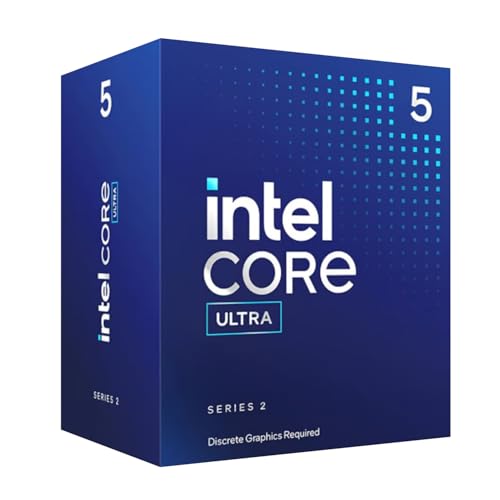
Lowest Price Here
Intel Core Ultra 5 225F
The lowest price among these processors at the time of writing.
Best for: Buyers who would rather put the savings elsewhere than into the Core i5-14400F.
Our take Check price for Intel Core Ultra 5 225F (opens in a new tab)

Also Consider
Intel Core i5-14400F
6 performance and 4 efficient cores.
Best for: Buyers who want 6 performance and 4 efficient cores.
Our take Check price for Intel Core i5-14400F (opens in a new tab)
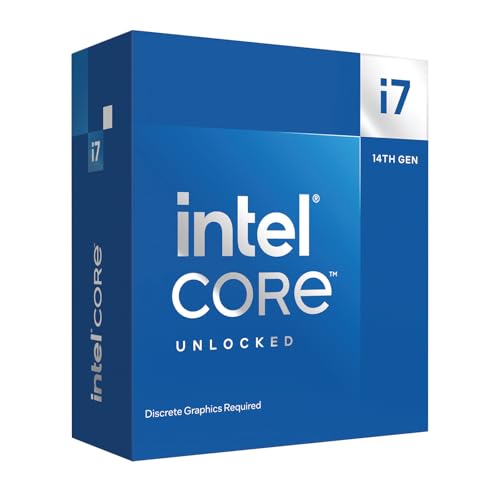
Largest Game Cache
Intel Core i7-14700KF
The largest L3 cache here (33MB).
Best for: Games that are limited by the CPU at high frame rates.
Our take Check price for Intel Core i7-14700KF (opens in a new tab)

Premium Pick
Intel Core Ultra 7 265KF
The highest-priced pick here at the time of writing, with 8 performance and 12 efficient cores.
Best for: Buyers who want 8 performance and 12 efficient cores and can spend more than the Core i7-14700KF costs.
Our take Check price for Intel Core Ultra 7 265KF (opens in a new tab)
| Pick | Why it’s here | Best for | Price |
|---|---|---|---|
| The lowest price among these processors at the time of writing. | Buyers who would rather put the savings elsewhere than into the Core i5-14400F. | Check price for Intel Core Ultra 5 225F (opens in a new tab) |
| 6 performance and 4 efficient cores. | Buyers who want 6 performance and 4 efficient cores. | Check price for Intel Core i5-14400F (opens in a new tab) |
| The largest L3 cache here (33MB). | Games that are limited by the CPU at high frame rates. | Check price for Intel Core i7-14700KF (opens in a new tab) |
| The highest-priced pick here at the time of writing, with 8 performance and 12 efficient cores. | Buyers who want 8 performance and 12 efficient cores and can spend more than the Core i7-14700KF costs. | Check price for Intel Core Ultra 7 265KF (opens in a new tab) |
Our Picks
Lowest Price Here1 of 4
Intel Core Ultra 5 225F on Amazon (opens in a new tab)
The Core Ultra 5 225F is a locked ten-core LGA1851 chip.
Best for
- Buyers who would rather put the savings elsewhere than into the Core i5-14400F.
Skip if
- Skip it if this is a deal-breaker for you: no integrated graphics, so a graphics card is required.
Why we like it
It suits a budget Intel build that will pair with a B860 board. Its 22MB L3 cache ranks third of 4 here, behind the Core i7-14700KF (33MB) and ahead of the Core i5-14400F (20MB). Its 4.9GHz boost clock ranks third of 4 here, behind the Core i7-14700KF (5.6GHz) and ahead of the Core i5-14400F (4.7GHz).
On core count it ties with the Core i5-14400F at 10 cores. Like the Core Ultra 7 265KF, it has an LGA1851 socket, while the Core i5-14400F uses an LGA1700 socket. You also get 6 P-cores plus 4 E-cores and PCIe 5.0 and 4.0 support on Intel 800-series boards.
It cost the least of the 4 picks at the time of writing, with the Core i5-14400F the next step up. There is no published rated power figure, whereas the Core i5-14400F offers 125W.
Key dimensions & specs
- L3 cache: 22MB
- Max boost: 4.9GHz
- Cores / threads: 10 cores
- Socket: LGA1851
- Integrated graphics: No
Pros
- 6 P-cores plus 4 E-cores
- PCIe 5.0 and 4.0 support on Intel 800-series boards
- L3 cache of 22MB, ahead of the Core i5-14400F
- Boost clock of 4.9GHz, ahead of the Core i5-14400F
Cons
- No integrated graphics, so a graphics card is required
- No published rated power
Also Consider2 of 4
Intel Core i5-14400F on Amazon (opens in a new tab)
The Core i5-14400F is a locked ten-core LGA1700 chip with no integrated graphics.
Best for
- Buyers who want 6 performance and 4 efficient cores.
Skip if
- Choose another pick if you can't accept this: no cooler in the box.
Why we like it
It pairs well with a B660 or B760 board and DDR4. Its 20MB L3 cache is the smallest in this group; the Core i7-14700KF leads at 33MB. Its 4.7GHz boost clock is the lowest in this group; the Core i7-14700KF leads at 5.6GHz.
On core count it ties with the Core Ultra 5 225F at 10 cores. Like the Core i7-14700KF, it has an LGA1700 socket, while the Core Ultra 5 225F uses an LGA1851 socket. Like the Core i7-14700KF, it has DDR4 or DDR5 memory, while the Core Ultra 7 265KF uses DDR5 memory.
It also comes with 6 performance and 4 efficient cores, DDR4 and DDR5 support and PCIe 5.0 and 4.0 support. It fits LGA1700 boards (600 and 700 series) with either DDR4 or DDR5, depending on the board; 600-series boards may need a BIOS update for 14th-gen chips. Budget for a dual-tower air cooler or a 240mm-plus AIO, since none is included.
Key dimensions & specs
- L3 cache: 20MB
- Max boost: 4.7GHz
- Cores / threads: 10 cores
- Rated power: 125W
- Threads: 16
- Socket: LGA1700
- Memory: DDR4 or DDR5
- Cooler in box: No
- Integrated graphics: No
Pros
- 6 performance and 4 efficient cores
- DDR4 and DDR5 support
- PCIe 5.0 and 4.0 support
Cons
- No cooler in the box
- No integrated graphics, so a graphics card is required
- L3 cache trails the Core i7-14700KF (33MB)
Largest Game Cache3 of 4
Intel Core i7-14700KF on Amazon (opens in a new tab)
The Core i7-14700KF is the 14700K without integrated graphics.
Best for
- Games that are limited by the CPU at high frame rates.
Skip if
- Look at the others if this bothers you: no cooler in the box.
Why we like it
It suits a gaming PC that already has a graphics card. On L3 cache it leads this guide at 33MB, ahead of the Core Ultra 7 265KF (30MB). Its 5.6GHz boost clock is the highest here; the Core Ultra 7 265KF comes next at 5.5GHz.
On core count it ties with the Core Ultra 7 265KF at 20 cores. Like the Core i5-14400F, it has an LGA1700 socket, while the Core Ultra 5 225F uses an LGA1851 socket. Like the Core i5-14400F, it has DDR4 or DDR5 memory, while the Core Ultra 7 265KF uses DDR5 memory.
You also get 8 performance and 12 efficient cores and an unlocked multiplier. It fits LGA1700 boards (600 and 700 series) with either DDR4 or DDR5, depending on the board; 600-series boards may need a BIOS update for 14th-gen chips. When we checked, only the Core i5-14400F and cheaper picks cost less, and the Core Ultra 7 265KF cost more.
Key dimensions & specs
- L3 cache: 33MB
- Max boost: 5.6GHz
- Cores / threads: 20 cores
- Rated power: 125W
- Threads: 28
- Socket: LGA1700
- Memory: DDR4 or DDR5
- Cooler in box: No
- Integrated graphics: No
Pros
- 5.6GHz maximum boost
- 20 cores for encoding and background work
- 8 performance and 12 efficient cores
- Unlocked multiplier
Cons
- No cooler in the box
- No integrated graphics, so a graphics card is required
- Costs more than the Core Ultra 5 225F at the time of writing
Premium Pick4 of 4
Intel Core Ultra 7 265KF on Amazon (opens in a new tab)
The Core Ultra 7 265KF is the 265K without integrated graphics.
Best for
- Buyers who want 8 performance and 12 efficient cores and can spend more than the Core i7-14700KF costs.
Skip if
- Worth skipping when no cooler in the box is a problem.
Why we like it
It costs less and needs a graphics card for any display output. Its 30MB L3 cache ranks second of 4 here, behind the Core i7-14700KF (33MB) and ahead of the Core i5-14400F (20MB). Its 5.5GHz boost clock ranks second of 4 here, behind the Core i7-14700KF (5.6GHz) and ahead of the Core i5-14400F (4.7GHz).
Like the Core Ultra 5 225F, it has an LGA1851 socket, while the Core i5-14400F uses an LGA1700 socket. It is the only pick here with DDR5 memory; the Core i5-14400F has DDR4 or DDR5 memory instead. It also offers 8 performance and 12 efficient cores and an unlocked multiplier.
Only the Core i7-14700KF came close to it on price at the time of writing; it cost the most of the 4 picks. It gives ground on rated power, where the Core i5-14400F offers 125W.
Key dimensions & specs
- L3 cache: 30MB
- Max boost: 5.5GHz
- Cores / threads: 20 cores
- Rated power: 125W
- Threads: 20
- Socket: LGA1851
- Memory: DDR5
- Cooler in box: No
- Integrated graphics: No
Pros
- 5.5GHz maximum boost
- 20 cores for encoding and background work
- 8 performance and 12 efficient cores
- Unlocked multiplier
Cons
- No cooler in the box
- No integrated graphics, so a graphics card is required
- Costs more than the Core Ultra 5 225F at the time of writing
How We Chose
Each pick was assessed across 4 criteria weighted for real-world use.
- What we compared
- We lined up four processors on L3 cache, boost clock, core count and rated power as the makers state them. These are research figures, not bench results: 1 of 4 picks leave out rated power.
- What every pick has in common
- All 4, from the Core Ultra 5 225F to the Core Ultra 7 265KF, state L3 cache, boost clock and core count.
- Where the specs have gaps
- The Core Ultra 5 225F gives no rated power; the Core Ultra 5 225F gives no threads.
- Price range
- At our last check the picks ran from the Core Ultra 5 225F ($100 to $150) to the Core Ultra 7 265KF ($250 to $500).
What to Look for in a CPUs for Monster Hunter Wilds
Key buying criteria so you get the right fit the first time.
How much L3 cache you need
Across these 4 picks L3 cache spans 20MB (the Core i5-14400F) to 33MB (the Core i7-14700KF). If L3 cache is your first filter, the Core i7-14700KF sets the ceiling at 33MB.
Boost clock
The Core i7-14700KF tops boost clock at 5.6GHz and the Core i5-14400F sits lowest at 4.7GHz. The Core i7-14700KF is the pick for boost clock.
Core count
Across these 4 picks core count spans 10 cores (the Core i5-14400F) to 20 cores (the Core i7-14700KF). The Core i7-14700KF is the pick for core count.
Memory
The Core i5-14400F and the Core i7-14700KF list DDR4 or DDR5; the Core Ultra 7 265KF lists DDR5.
Cooler in box
The Core i5-14400F, the Core i7-14700KF and the Core Ultra 7 265KF go without. Sort out cooler in box before price: it splits 3 stated picks into groups of 3.
How to Choose a CPUs for Monster Hunter Wilds
By priority
| Priority | Consider | Why |
|---|---|---|
| Buyers who would rather put the savings elsewhere than into the Core i5-14400F | Core Ultra 5 225F | The lowest price among these processors at the time of writing |
| Buyers who want 6 performance and 4 efficient cores | Core i5-14400F | 6 performance and 4 efficient cores |
| Games that are limited by the CPU at high frame rates | Core i7-14700KF | The largest L3 cache here (33MB) |
| Buyers who want 8 performance and 12 efficient cores and can spend more than the Core i7-14700KF costs | Core Ultra 7 265KF | The highest-priced pick here at the time of writing, with 8 performance and 12 efficient cores |
Scroll sideways to see every column.
Key specs side by side
The Core i7-14700KF leads on L3 cache at 33MB, ahead of the Core Ultra 7 265KF at 30MB. "Not listed" marks rated power where the Core Ultra 5 225F leaves the figure out.
| Processor | L3 cache | Max boost | Cores / threads | Rated power |
|---|---|---|---|---|
| Core Ultra 5 225F | 22MB | 4.9GHz | 10 cores | Not listed |
| Core i5-14400F | 20MB | 4.7GHz | 10 cores | 125W |
| Core i7-14700KF | 33MB | 5.6GHz | 20 cores | 125W |
| Core Ultra 7 265KF | 30MB | 5.5GHz | 20 cores | 125W |
Scroll sideways to see every column.
By price at the time of writing
The Core Ultra 5 225F was the lowest-priced pick ($100 to $150) and the Core Ultra 7 265KF the highest ($250 to $500) when we checked; tiers move with Amazon pricing.
| Price tier | Processors |
|---|---|
| About $100 to $150 | Core Ultra 5 225F |
| About $150 to $250 | Core i5-14400F |
| About $250 to $500 | Core i7-14700KF, Core Ultra 7 265KF |
Frequently Asked Questions
How does the Core Ultra 7 265KF compare with the Core i7-14700KF on L3 cache?
The Core i7-14700KF leads at 33MB, with the Core Ultra 7 265KF at 30MB. The Core i5-14400F is at the other end of this group with 20MB.
Which has the highest boost clock: the Core i7-14700KF or the Core Ultra 7 265KF?
Between the top two, it is 5.6GHz on the Core i7-14700KF against 5.5GHz on the Core Ultra 7 265KF, a 2% difference. The spread runs down to the Core i5-14400F at 4.7GHz.
What does the Core Ultra 7 265KF add over the Core Ultra 5 225F?
The spec sheets show L3 cache (30MB against 22MB), boost clock (5.5GHz against 4.9GHz) and core count (20 cores against 10 cores) in its favour. On our last price check the Core Ultra 5 225F was in the $100 to $150 tier and the Core Ultra 7 265KF in the $250 to $500 tier, with 2 other picks between them; pay the difference only if L3 cache and boost clock decide your purchase.
Why is the Core i7-14700KF our Largest Game Cache pick?
The label rests on the largest L3 cache here (33MB). On L3 cache it leads the Core Ultra 7 265KF, 33MB against 30MB, a 10% margin. The Core Ultra 5 225F, the cheapest pick, sat in the $100 to $150 tier against $250 to $500 here, without out-ranking it on any listed spec. It makes sense for games that are limited by the CPU at high frame rates.
Do the Core Ultra 5 225F and the Core i5-14400F differ on socket?
The Core Ultra 5 225F and the Core Ultra 7 265KF use LGA1851; the Core i5-14400F and the Core i7-14700KF use LGA1700.
What extras do the Core Ultra 5 225F and the Core i5-14400F include?
The Core Ultra 5 225F: 6 P-cores plus 4 E-cores. The Core i5-14400F: 6 performance and 4 efficient cores. The Core i7-14700KF: 8 performance and 12 efficient cores.
Bottom Line
Our first pick is the Core Ultra 5 225F, chosen for the lowest price among these processors at the time of writing. Look at the Core i5-14400F for 6 performance and 4 efficient cores and the Core Ultra 7 265KF for the highest-priced pick here at the time of writing, with 8 performance and 12 efficient cores if those matter more to you.
Confirm the board's chipset and BIOS support the chip generation you pick.